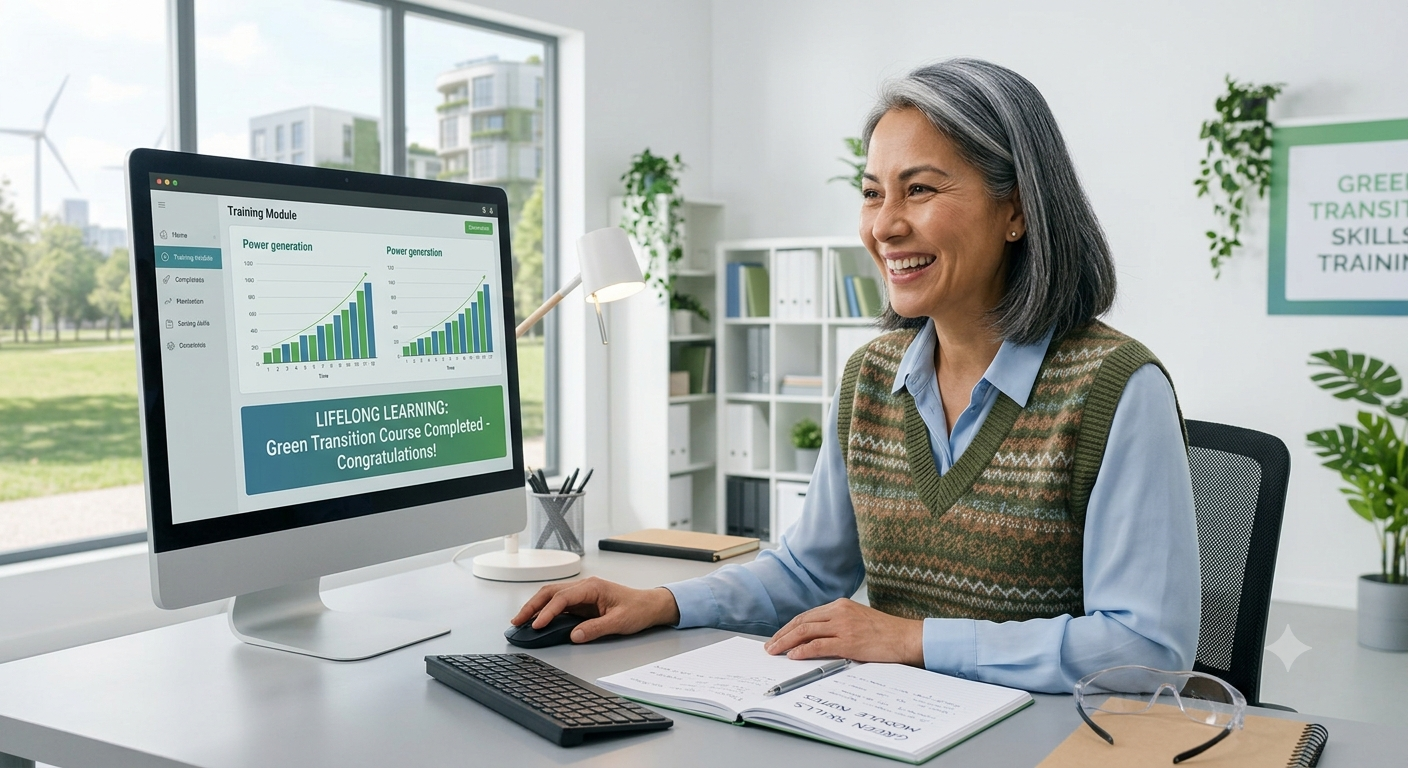
The transition to a greener economy is changing the way people work across almost every sector, from manufacturing and agriculture to tourism and services. While much attention is often given to preparing young people to enter the market and adjust easier in these changes, supporting adults already in the workforce is just as important. Lifelong learning is essential because it helps people adapt to new technologies and sustainable practices, making sure that nobody is left behind.
More and more today, many employers value competences related to circular economy, resource efficiency and environmental responsibility. At the same time, they expect their employers to have the same passion and understanding for these topics. Nevertheless, this is not always possible since many people who are already in the market completed their education before sustainability became a key part of training programs. Thus, keeping skills up to date is becoming a necessity for adapting to a rapidly changing market.
Nevertheless, access to learning opportunities remains uneven. Adults often face practical barriers such as limited time, family responsibilities, financial constraints, or lack of flexible training options. Without accessible adult education, existing skills gaps continue to grow, making it harder for many people to benefit from the opportunities created by the green transition.
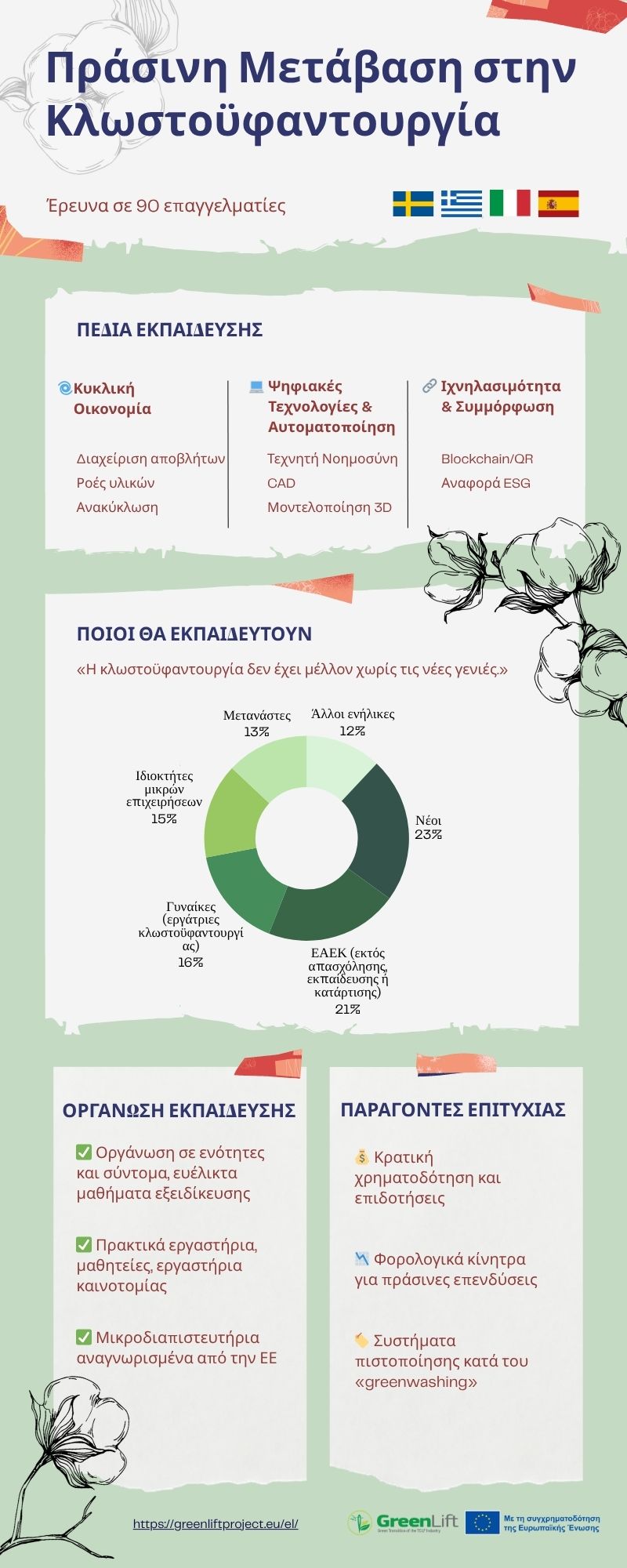
Therefore, projects like GreenLift support this goal by promoting lifelong learning and helping adults develop the green skills needed for jobs in the future. Investing in adult education is not only about improving employability; it is about creating a more sustainable society where everyone has equal opportunities.